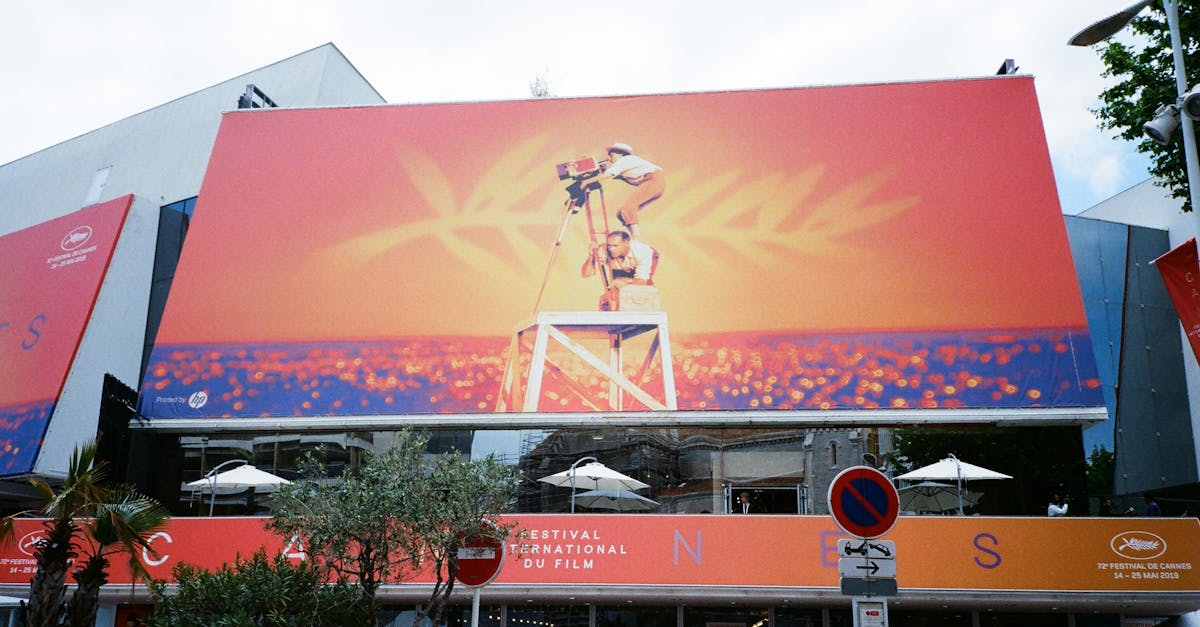
Every year, as the leaves change and studios roll out their prestige pictures, Hollywood enters its most frantic season: Oscar campaigning. Millions of dollars are spent, countless events are held, and a blizzard of ‘For Your Consideration’ ads floods trade publications. You’d think with all this effort and expense, every major film would have a clear path to contention. In my experience, however, most of these campaigns are ineffective, failing to move the needle where it truly counts: with the nearly 10,000 members of the Academy of Motion Picture Arts and Sciences.
I’ve watched countless films with immense critical buzz and early awards season momentum fizzle out despite aggressive, well-funded campaigns. Conversely, I’ve seen smaller, more nuanced films quietly build steam and ultimately break through, often with a fraction of the budget and a seemingly less conventional approach. The mistake most studios make is believing that more money and more visibility directly equate to more votes. It’s a logical fallacy born from traditional marketing, but the Academy operates differently. It’s a human institution, driven by a complex interplay of artistic appreciation, industry relationships, perceived narratives, and, crucially, a very short attention span for anything that doesn’t feel authentic. What most campaigns miss is the subtle art of persuasion, the long game of narrative building, and the deep understanding of what truly resonates with a voter base saturated with content and cynicism.
My years covering the awards circuit for Awardsjungle.com have shown me that the traditional, often formulaic campaign playbook often backfires. It creates noise, not signal. It alienates, rather than engages. The real magic happens when a campaign understands the psychology of the voter, the evolving landscape of critical discourse, and the timeless power of a compelling story – not just of the film, but of its journey and impact. We’re talking about an ecosystem where genuine connection, strategic timing, and a deep appreciation for the craft far outweigh a full-page spread in Variety or a lavish gala. This isn’t just about ‘getting eyeballs’ on a movie; it’s about embedding it into the collective consciousness of a very specific, often jaded, group of professionals in a way that feels organic and earned.
Key Takeaways
- Traditional ‘For Your Consideration’ ad blitzes often alienate Academy voters rather than persuade them.
- Sustained, authentic narrative building around a film’s deeper meaning or journey is more effective than short-term buzz.
- Curated, intimate screening experiences with Q&As are significantly more impactful than large, impersonal events.
- The most successful campaigns focus on genuine connection and understanding the Academy’s human, emotional voting process.
The Illusion of ‘For Your Consideration’ Ad Saturation
Walk through Hollywood in December and January, and you’ll see it: every trade publication from The Hollywood Reporter to Deadline is bloated with ‘For Your Consideration’ (FYC) ads. Full-page spreads, often featuring a solemn lead actor or an evocative still, scream for attention. The assumption is that repetition and visibility will drill the film’s title and key talent into the minds of Academy voters. In my experience, this approach is largely a waste of money, and often counterproductive.
I’ve spoken to countless Academy members across various branches – directors, writers, actors, editors – and a consistent theme emerges: they largely ignore these ads. Some even find them irritating, seeing them as a desperate plea rather than a confident assertion of artistic merit. Think about it: these are seasoned industry professionals. They’ve seen it all. They’re not swayed by a glossy picture and bold text telling them a film is ‘outstanding’ or ‘a masterpiece.’ They want to discover that for themselves, or have it communicated in a more meaningful way. The sheer volume of these ads creates an insurmountable wall of noise, making it impossible for any single one to truly stand out. It’s the equivalent of shouting louder in a crowded room – everyone just gets more annoyed.
What these campaigns miss is that voters are already inundated with films. They receive screeners, attend private screenings, and have their own preferences. An FYC ad becomes white noise. What does work, however, is when an ad breaks the mold. When it’s clever, witty, or offers a truly fresh perspective on the film. I recall a few years ago, a relatively unknown foreign film had a series of minimalist ads that focused on a single, powerful quote from a major critic, stripped of all other branding. It piqued curiosity. It didn’t demand attention, it invited it. This strategic scarcity and focus cut through the clutter precisely because it wasn’t shouting. It respected the voter’s intelligence and time, suggesting, rather than insisting, that there was something profound to discover. The lesson here is clear: don’t just add to the noise; find a way to become the signal, or better yet, a quiet whisper that draws attention.
The Power of a Cohesive Narrative (Beyond the Film Itself)
Every film tells a story, but for an Oscar campaign to succeed, there needs to be a compelling secondary narrative – the story of the film’s making, its cultural impact, or a particular aspect of its craft. Most campaigns simply reiterate plot points or critical accolades, missing a crucial opportunity to give voters something deeper to connect with.
I’ve observed that films that break through are often those with a clear, resonant story about their existence. Was it an incredibly challenging production? Did it shine a light on an underrepresented community or issue? Is there a powerful personal journey behind the director or lead actor? These are the stories that linger in voters’ minds, providing context and emotional weight beyond the two hours spent watching the movie. For example, a few seasons ago, a technically brilliant film garnered some buzz but ultimately failed to secure major nominations. Its campaign focused heavily on its innovative visual effects and stunning cinematography. While impressive, it lacked a human hook. In contrast, a film with a fraction of its budget, tackling a difficult social issue, built its campaign around the perseverance of its cast and crew, many of whom came from the community depicted in the film. That human element, that sense of genuine mission, resonated deeply and earned it an unexpected Best Picture nomination.
This isn’t about fabricating drama, but about identifying and amplifying the authentic, compelling aspects of a film’s journey or its thematic relevance. It gives voters a reason to care about the film beyond its runtime. It transforms a movie from a standalone piece of art into a cultural moment, a testament to resilience, or a vital conversation starter. Crafting this narrative requires thoughtful identification of unique selling propositions and consistent, subtle messaging across all campaign touchpoints, from carefully chosen interviews to event introductions. It’s about giving voters a reason to champion your film, not just appreciate it. It’s about creating a sense of shared purpose or discovery, making the voter feel like they are part of something bigger than just casting a ballot.
Why Personalized Screenings Outperform Grand Galas
Another common misstep in high-budget Oscar campaigns is the reliance on lavish, large-scale events: glitzy premieres, exclusive parties, and mass screenings at iconic venues. The idea is to create a sense of occasion and importance. Yet, time and again, I’ve seen that these grand gestures often fall flat with Academy voters. They’re exhausting, impersonal, and frankly, a bit much.
Academy members, while appreciating the glamour of Hollywood, are also busy professionals. They prefer substance over spectacle, and intimate connection over a crowded red carpet. What truly moves the needle are personalized, curated screening experiences, often followed by a Q&A with key talent. A small screening room, a comfortable chair, and a genuine conversation with the director or lead actor about their craft – that’s gold. I’ve seen this strategy elevate films that otherwise might have been overlooked. A director, speaking passionately and authentically about their vision, can transform a voter’s perception of a film. It builds a personal connection, makes the voter feel respected, and gives them a direct insight into the artistic process.
One season, a major studio hosted an opulent industry party for their frontrunner film. Champagne flowed, celebrities mingled, but very few genuine conversations about the film took place. Simultaneously, a smaller distributor arranged a series of intimate screenings for their underdog documentary, bringing in the film’s subjects and director for candid, emotional Q&As. The documentary, despite its niche subject matter and lack of star power, managed to secure a surprise nomination, while the lavishly promoted frontrunner barely registered. The difference was clear: the documentary campaign fostered emotional engagement and a sense of shared experience, while the studio event offered fleeting glamour. It’s about creating an environment where the voter feels they are genuinely engaging with the art and the artists, not just being schmoozed. This means prioritizing quality over quantity, and depth over breadth, in terms of interactions.
The Critical Window: Don’t Peak Too Early (Or Too Late)
Timing is everything in Oscar campaigning, and it’s a tightrope walk that many campaigns mismanage. The season is a marathon, not a sprint, but it has distinct phases, each requiring a different strategic focus. Peaking too early can lead to voter fatigue and a loss of momentum, while starting too late means playing catch-up in an already crowded field.
I’ve seen films emerge as early critics’ darlings in September or October, only to fade from the conversation by the time ballots are due in February. Their campaigns often go all-in too soon, flooding the market with interviews, screenings, and ads. By the time the crucial voting period arrives, voters feel they’ve ‘been there, done that’ with the film. The element of discovery and excitement is gone, replaced by a sense of oversaturation. On the other hand, a quiet, strategic build-up can be incredibly effective. Consider the slow burn of a film that starts with strong festival reviews, then gradually expands its conversation, landing key interviews and features closer to voting time, allowing new revelations or perspectives to emerge.
The sweet spot, in my opinion, is a carefully orchestrated crescendo. Start with critical acclaim and targeted industry buzz to establish legitimacy. Then, use the middle period to nurture the film’s narrative, focusing on unique aspects or behind-the-scenes stories through thoughtful pieces and smaller Q&As. The final push, closer to voting, should re-energize interest with focused reminders of the film’s emotional core and artistic achievement, perhaps with a final, impactful message. One year, a film earned rave reviews at Sundance but held its major campaign efforts until December. This delayed, focused approach kept it fresh in voters’ minds when many other early contenders had already worn out their welcome. It’s about understanding the psychological arc of voter engagement, ensuring the film feels essential and new precisely when it matters most, avoiding both burnout and irrelevance.
Leveraging Key Critics and Industry Voices, Not Just Volume
Many Oscar campaigns spend a fortune on broad advertising to blanket the industry. What they often fail to do effectively is identify and cultivate relationships with a smaller, more influential group of critics and industry voices. These aren’t just the loudest voices, but the most respected within the Academy’s various branches. A rave review from a prominent, trusted critic or an impassioned endorsement from a respected peer can carry far more weight than a hundred generic FYC ads.
I’ve observed that the Academy often operates like a close-knit community, where peer recommendations and trusted critical opinions hold sway. Voters don’t have time to watch every single screener. They often rely on trusted filters – a review from a critic whose taste aligns with theirs, or a passionate email from a fellow actor urging them to see a particular performance. Successful campaigns identify these key influencers early on and ensure they have access to the film and its talent, creating genuine advocates. This isn’t about paying for endorsements, but about building authentic relationships and generating enthusiastic, organic support.
Consider a film that received modest initial reviews but built a groundswell of support after a few highly respected film historians and critics championed it, writing thoughtful essays that framed the film in a new light. This deeper engagement, shared through industry networks, gave the film a new lease on life, leading to unexpected nominations. In contrast, another film, which had initially strong reviews but failed to cultivate these deeper connections, found its early momentum dissipate. The message here is that quality of endorsement trumps quantity. It’s about identifying who truly shapes opinion within the Academy’s various silos and ensuring they become passionate advocates for your film. This requires precision, patience, and a deep understanding of the industry’s social dynamics, far beyond the typical mass-marketing approach.
Authenticity and Vulnerability as a Campaign Strategy
Perhaps the most overlooked, yet profoundly effective, strategy in Oscar campaigning is authenticity. In a world of carefully crafted images and PR-speak, genuine vulnerability and transparent passion can cut through the noise like nothing else. Most campaigns present a polished, almost sterile version of a film and its creators, missing the opportunity to connect on a human level.
I’ve witnessed campaigns where filmmakers, particularly directors and actors, were encouraged to speak openly about the personal challenges, creative struggles, or profound emotional experiences that went into making their film. This isn’t about manufactured drama, but about sharing genuine human stories. When a director talks about overcoming immense personal odds to bring a story to life, or an actor speaks candidly about the emotional toll of a role, it resonates. It makes the film, and the people behind it, more relatable and deserving of recognition. It transcends the typical awards season chatter and touches on the very human core of why we make and consume art.
One year, a film’s lead actress, a well-known figure, spoke at length in interviews about her struggles with self-doubt and the vulnerability required to portray her character. Her honesty was disarming and created a powerful narrative around her performance, shifting the conversation from ‘a great performance’ to ‘a courageous performance.’ This vulnerability connected with voters on a deeper emotional level, making her performance stand out in a competitive field. In an industry often perceived as artificial, authenticity is a rare and powerful commodity. It fosters empathy, builds respect, and ultimately, earns votes because it makes the artists and their work feel genuinely human and therefore, universally resonant. This means encouraging real conversations, allowing for unscripted moments, and trusting that the true passion and struggle behind a work of art will speak louder than any pre-packaged slogan.
Frequently Asked Questions
Q: Do ads in trade magazines like Variety and The Hollywood Reporter actually influence Oscar voters?
A: In my experience, the vast majority of traditional ‘For Your Consideration’ ads have little direct influence on Oscar voters. Academy members are inundated with these ads and often perceive them as background noise or even an annoyance. While they ensure visibility, they rarely persuade or change minds. More effective are highly targeted, unique, or unusually creative ads that break the mold and genuinely pique curiosity, rather than simply saturate.
Q: Are lavish parties and expensive events helpful for a film’s Oscar campaign?
A: Lavish parties and grand galas are generally less effective than often assumed. While they generate buzz and can be good for networking, Academy voters often prefer more intimate and substance-driven interactions. Personalized screenings with engaging Q&As featuring talent tend to create a more profound and memorable impression, fostering a genuine connection between the film, its creators, and the voters.
Q: How important is early critical buzz from film festivals for Oscar success?
A: Early critical buzz from prestigious film festivals is crucial for establishing a film’s legitimacy and generating initial momentum. It helps a film get on the radar and sets the narrative. However, sustaining that momentum without peaking too early is key. Many films that are early darlings fade by the time actual voting occurs due to voter fatigue. A strategic, paced campaign build-up is often more effective than an all-out early blitz.
Q: Do personal relationships within the Academy play a significant role in voting?
A: Yes, personal relationships and respected industry voices play a significant, albeit often subtle, role. Academy members are more likely to prioritize watching and considering films that come with personal recommendations from trusted colleagues or highly respected critics. Building authentic relationships and creating genuine advocates for a film within the Academy branches can be far more impactful than broad, impersonal marketing.
Q: Is it better for a campaign to focus on the film’s artistic merits or its cultural relevance?
A: The most successful campaigns manage to weave both artistic merits and cultural relevance into a cohesive, compelling narrative. Simply stating a film is ‘beautifully shot’ or ‘well-acted’ isn’t enough. Campaigns that connect a film’s artistic achievements to a deeper message, its cultural impact, or an inspiring behind-the-scenes story tend to resonate more deeply with voters, providing a more robust reason to champion the film beyond its technical brilliance.
Conclusion
The Oscar race is a fascinating, often bewildering, blend of art, commerce, and human psychology. My years on this beat have consistently shown me that the common, high-spending strategies often miss the mark. The Academy isn’t a passive audience waiting to be bombarded; it’s a collection of discerning professionals looking for genuine connection, profound stories, and meaningful contributions to the art form. The films that truly break through are those that understand this nuanced landscape, prioritizing authenticity, strategic narrative-building, and intimate engagement over sheer volume and expense.
If there’s one overarching lesson I’ve learned, it’s that successful Oscar campaigns don’t just sell a film; they tell a story about why that film matters, why it deserves to be seen, and why its creators are worthy of the industry’s highest honor. It’s about earning respect, building advocacy, and fostering a sense of shared purpose. For anyone looking to understand the true levers of influence in Hollywood’s biggest awards, look beyond the glossy ads and the lavish parties. The real magic happens in the quiet conversations, the thoughtful narratives, and the genuine human connection that reminds voters why they fell in love with cinema in the first place.