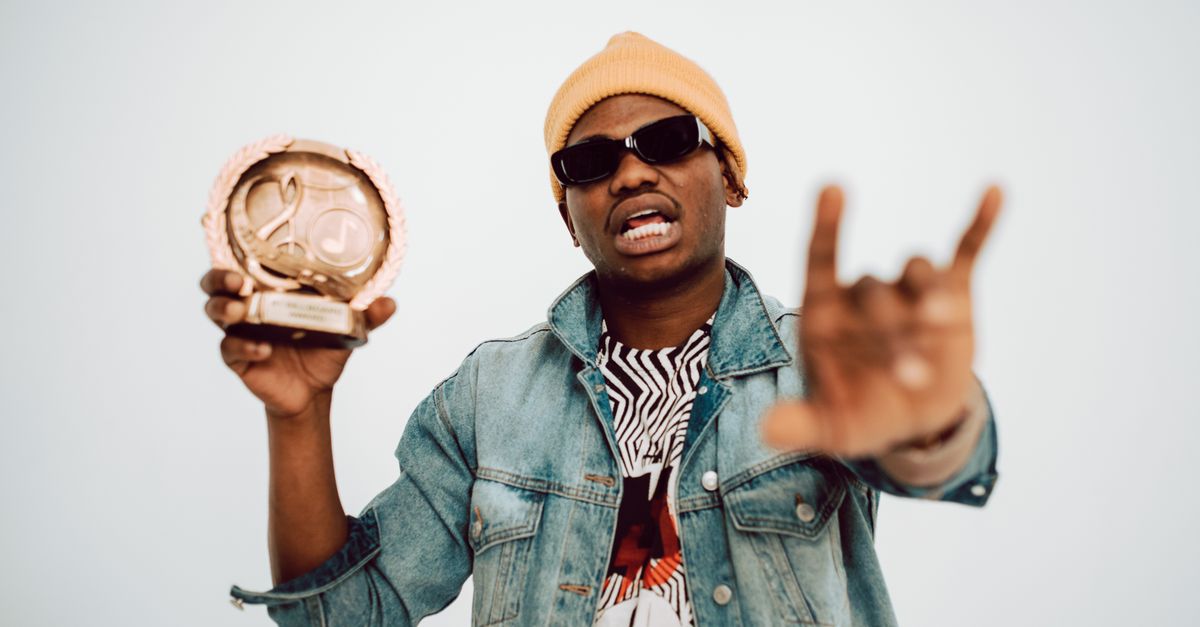
The awards season for music has, in my experience, become increasingly obsessed with one metric above all: streaming numbers. Every year, we see new categories, new ceremonies, and new accolades designed to celebrate the artists who have dominated our playlists and topped the charts based on sheer volume of plays. On the surface, it makes sense. Streaming is how most people consume music today. It provides quantifiable data, seemingly objective proof of popularity and reach. But beneath the glittering facade of these streaming awards lies a crucial flaw: they often miss the very essence of what makes a musical artist truly impactful and worthy of lasting recognition.
I’ve spent years immersed in the world of music awards, analyzing trends, predicting winners, and, frankly, often being disappointed by the outcomes. The mistake I see most often is equating momentary virality or impressive stream counts with genuine, enduring artistry. What changed everything for me in understanding true musical legacy wasn’t just looking at who dominated a year, but who shaped culture, who innovated, and whose work resonated beyond a single album cycle. Focusing solely on streaming is like judging a literary masterpiece by how many copies it sold in its first week; it’s an incomplete, often misleading, picture. It prioritizes the fleeting over the profound, the accessible over the experimental, and the algorithms over the art.
Key Takeaways
- Raw streaming numbers are a flawed metric for assessing true artistic impact and lasting legacy.
- Genuine artistic innovation, cultural resonance, and critical acclaim are stronger indicators of a musician’s long-term significance.
- The ‘album artist’ vs. ‘singles artist’ debate highlights how streaming biases awards towards track-centric consumption.
- Financial independence and sustained touring success often signal a deeper, more dedicated fanbase than high stream counts alone.
The Illusion of Immediacy: Why Streaming Numbers Aren’t Enough
When we look at music streaming awards, the primary driver is almost always the raw number of streams. An artist has 10 billion streams across their catalog? Award-worthy! A song went viral on TikTok and generated 500 million plays? Award-worthy! While these numbers are undeniably impressive and reflect a certain level of popularity, they paint an incomplete, and often superficial, picture of an artist’s true impact. In my experience, focusing solely on this metric can be incredibly misleading.
Think about it: a song might rack up billions of streams because it’s featured in a popular commercial, used in a viral meme, or heavily promoted by a streaming platform’s algorithm. While these avenues certainly boost visibility and listenership, they don’t necessarily equate to deep artistic appreciation or a lasting connection with the music. How many times have you listened to a song hundreds of times because it’s on a curated workout playlist, only to realize you don’t even know the artist’s name or what else they’ve released? That’s the illusion of immediacy in action. The stream counts are there, but the impact on your personal musical journey is negligible.
Moreover, the very nature of streaming encourages a more transient form of consumption. Listeners often jump from track to track, or passively consume curated playlists, rather than engaging with an entire album or delving into an artist’s discography. This biases awards towards artists who produce catchy, easily digestible singles that fit into these consumption patterns, potentially overlooking artists whose work requires more dedicated listening or unfolds across a cohesive body of work. The mistake here is believing that ubiquity equals profundity. In reality, sustained critical dialogue, influence on other artists, and the ability to define a moment or a sound are far more indicative of a lasting legacy than a momentary spike in plays.
The Enduring Power of Critical Acclaim and Peer Recognition
While streaming awards focus on the popular vote (in the form of plays), true artist impact, in my experience, is far better reflected in critical acclaim and recognition from peers. When respected music critics, cultural commentators, and fellow musicians consistently praise an artist’s work, it signals something deeper than fleeting popularity.
Critical acclaim isn’t just about positive reviews; it’s about the depth of analysis, the discussion of innovation, the acknowledgment of an artist pushing boundaries or mastering their craft in a way that resonates with those who deeply understand music. These are the conversations that shape narratives and influence future generations of artists and listeners. Critics often provide the context, the historical lineage, and the intellectual framework that elevates a piece of music beyond mere entertainment to a work of art. They help us understand why something matters, not just that it’s popular.
Equally important is peer recognition. When artists cite another artist as an influence, collaborate with them, or speak admiringly of their work, it’s a powerful indicator of impact. Musicians are often the most discerning listeners, keenly aware of who is truly breaking new ground, demonstrating unparalleled skill, or crafting something genuinely unique. Awards like the Grammys, while imperfect, at least attempt to incorporate peer voting, acknowledging that those who make music often have the best insights into its quality and lasting significance. The mistake of streaming awards is ignoring this internal barometer of the industry, prioritizing external, often superficial, popularity over the informed judgment of those who live and breathe music.
Cultural Resonance Beyond the Algorithm
True artist impact extends far beyond what an algorithm recommends. It’s about cultural resonance – how an artist’s music, message, or persona permeates society, shapes conversations, or even influences non-musical aspects of culture like fashion, social movements, or political discourse. Streaming numbers can indicate reach, but they rarely capture resonance.
Consider artists whose music becomes the soundtrack to a generation, whose lyrics become anthems, or whose performances ignite collective passion. This kind of impact isn’t just about listen counts; it’s about the indelible mark left on the collective consciousness. It’s when a song defines a moment in time, when an album articulates unspoken feelings for millions, or when an artist’s integrity inspires their fanbase to action. In my analysis, these artists are the ones whose work transcends the fickle nature of popular trends and achieves a timeless quality. Their music is not just heard; it’s felt and lived.
This resonance is often built on authenticity, originality, and a willingness to take risks rather than simply chasing algorithmic trends. Artists who prioritize their unique vision over mass appeal, who tell stories that challenge or comfort, often build the deepest and most enduring connections. Streaming awards, by their very nature, incentivize the opposite: conformity to what’s already proven popular within the platform’s ecosystem. The hidden cost here is a devaluation of genuine artistry that dares to be different, that takes time to cultivate an audience, and that might not achieve instant, massive streaming numbers but builds a legacy that spans decades, not just viral weeks.
The Power of the ‘Album Artist’ in an Era of Singles
Streaming platforms, by their design, favor singles. Playlists are king, and the consumption model often encourages listeners to pick and choose individual tracks. This has, in my experience, created a significant challenge for the ‘album artist’ – musicians who conceive of their work as a cohesive, narrative, or thematic whole. Albums are often where an artist’s vision truly unfolds, where complex ideas are explored, and where artistic statements are made with depth and nuance.
In the era of streaming awards, a hit single might earn an artist significant recognition, but an entire album, even if critically lauded and deeply influential, might struggle to generate the same aggregate stream counts necessary to compete for top streaming accolades. This can lead to a skewed perception of success, where artists who are masters of crafting a single catchy track are celebrated over those who are architectural visionaries, building entire sonic worlds.
What actually works for a lasting legacy is the ability to create enduring bodies of work. Think of albums that you return to year after year, that define an era, or that showcase an artist’s evolution. These are not just collections of songs; they are artistic journeys. The mistake of streaming awards is failing to adequately value this deeper engagement with an artist’s craft, prioritizing the immediate gratification of a viral track over the sustained immersion an album demands. True impact often lies in the immersive experience of an album, an experience that streaming, despite its ubiquity, often disincentivizes.
Live Performance and Sustained Engagement: The True Fan Base Indicator
Beyond digital metrics, one of the most undeniable indicators of an artist’s true impact and the strength of their fan base is their ability to consistently draw crowds for live performances and maintain sustained engagement over years, if not decades. Streaming numbers can fluctuate wildly based on algorithmic pushes or fleeting trends, but a loyal fan base that shows up, buys tickets, and actively participates in an artist’s journey is the bedrock of a lasting career.
In my observations, artists who consistently sell out tours, whose merchandise flies off the shelves, and who have fan communities that remain vibrant long after a song has peaked on the charts are the ones with genuine, deep impact. These fans aren’t just passive listeners; they are active participants, invested in the artist’s narrative and eager to experience their music in person. This kind of engagement transcends the casual listen and signifies a profound connection. It’s a testament to the artist’s ability to connect on a human level, to create an experience that cannot be replicated by an algorithm.
Streaming awards, by their very nature, cannot capture this aspect. They celebrate the initial burst, the digital footprint, but not the long-term, tangible relationship an artist builds with their audience through the shared experience of live music. The hidden cost of this oversight is a diminished focus on the fundamental artistry of performance and the community-building aspect of music. What actually signals a lasting legacy is not just how many people heard your song, but how many people felt it deeply enough to show up, time and time again, to be part of the experience.
Financial Independence and Longevity: A Quiet but Powerful Signal
In an industry often characterized by fleeting success and precarious financial situations, an artist’s ability to achieve long-term financial independence and sustain a career for decades is a quiet but powerful signal of true impact and a lasting legacy. This isn’t about being the richest musician, but about having the stability and autonomy to continue creating music on their own terms, without constantly chasing the next viral hit or major label deal.
Streaming awards, again, tend to reward short-term, explosive popularity. An artist might generate massive streams for a year or two, win some awards, but then fade if that initial virality doesn’t translate into sustainable income through diverse revenue streams like touring, merchandise, licensing, and a dedicated back catalog. Many artists with immense streaming numbers still struggle financially if those streams don’t convert into meaningful royalty payments or broader career opportunities.
What actually works for a true legacy is the strategic building of a career that allows for artistic freedom and longevity. This often involves a deep understanding of the business side of music, smart financial management, and a focus on cultivating a loyal niche audience rather than always aiming for universal appeal. Artists who are still making relevant, compelling music 20, 30, or 40 years into their career, often without the constant glare of mainstream attention, are the ones who have truly mastered their craft and built an unbreakable bond with their audience. Their work endures not because of algorithm boosts, but because it holds inherent value and continues to resonate with new generations. This quiet staying power is, in my opinion, the ultimate award.
Frequently Asked Questions
Q: Are streaming numbers completely irrelevant for assessing an artist’s impact?
A: Not entirely. Streaming numbers provide a snapshot of an artist’s current reach and popularity within the digital landscape. They can indicate a song’s ubiquity or an artist’s breakthrough moment. However, they are often a measure of exposure rather than enduring artistic impact or critical significance. To truly assess impact, these numbers must be considered alongside other metrics like critical acclaim, cultural resonance, and sustained fan engagement.
Q: How do streaming algorithms affect the perception of artist impact?
A: Streaming algorithms play a significant role by heavily promoting certain tracks or artists, often based on existing popularity or specific genre trends. This can create a feedback loop where already popular music becomes even more visible, potentially overshadowing lesser-known but highly innovative artists. While this boosts stream counts, it can lead to a skewed perception of true artistic merit, as algorithmic success doesn’t always equate to lasting cultural significance or critical depth.
Q: Why do music awards focus so heavily on streaming then?
A: The shift towards streaming awards is largely driven by the undeniable dominance of streaming as the primary mode of music consumption and the availability of vast, quantifiable data. It provides an seemingly objective, easy-to-measure metric for popularity. There’s also a commercial incentive, as celebrating high-streaming artists aligns with the interests of streaming platforms and labels seeking to capitalize on current trends.
Q: What’s the difference between an ‘album artist’ and a ‘singles artist’ in today’s landscape?
A: An ‘album artist’ typically creates cohesive bodies of work, where songs are meant to be heard in a specific order and contribute to a larger artistic statement or narrative. A ‘singles artist’ focuses more on individual tracks designed for immediate impact and playlist placement. Streaming platforms tend to favor singles artists due to the track-centric nature of playlists and algorithmic recommendations, making it harder for album artists to gain recognition based solely on streaming numbers.
Q: Besides streams, what are the best indicators of a truly impactful music career?
A: Look for a combination of factors: consistent critical acclaim over multiple releases, significant influence on other artists (peer recognition), cultural resonance that extends beyond fleeting trends, a dedicated and engaged fanbase demonstrated by strong tour sales and merchandise purchases, and sustained longevity in the industry, often paired with financial independence that allows for continued artistic freedom.
In conclusion, the conversation around music awards needs a recalibration. While it’s tempting to simply applaud the artists with the most impressive stream counts, in my experience, that approach often misses the heart of what makes music truly great and an artist truly impactful. A lasting legacy isn’t built on viral moments, but on genuine innovation, critical depth, cultural resonance, and the unwavering dedication of a true fanbase. As awards season rolls on, let’s look beyond the immediate digital noise and seek out the quiet, profound signals of artists who are not just dominating playlists, but truly shaping the soundscape of tomorrow.