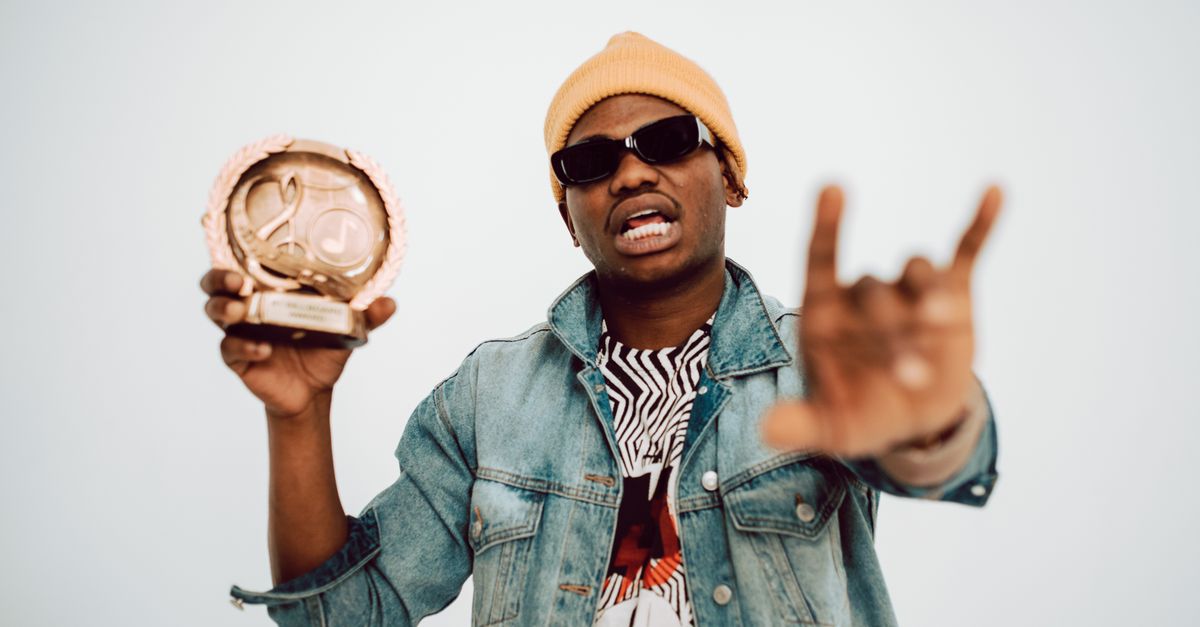
The awards season deluge often feels like a never-ending cycle of celebration, especially in music. From the Grammys to the VMAs, we’re constantly bombarded with accolades designed to honor the ‘best’ in the industry. In recent years, a new contender has emerged: music streaming awards. These glittering ceremonies, often tied to major platforms, purport to celebrate artists based on quantifiable metrics like streams, downloads, and viral shares. On the surface, it makes perfect sense: data doesn’t lie, right? If an artist racks up billions of streams, they must be making a massive impact, deserving of every trophy thrown their way.
But here’s the uncomfortable truth I’ve observed over years of dissecting the music industry: these streaming awards, for all their data-driven veneer, consistently miss the mark when it comes to truly recognizing an artist’s lasting impact and cultural legacy. They’re often glorified popularity contests, reflecting momentary virality or aggressive playlisting more than genuine artistry or deep, enduring connection with an audience. The mistake I see most often is conflating quantity with quality, and mistaking fleeting algorithmic success for true, deep-seated influence. What changed everything for me was realizing that the metrics that truly signal an artist’s lasting power are rarely the ones celebrated on these stages. We need to look beyond the surface-level numbers to understand who truly moves the needle.
Key Takeaways
- Streaming awards prioritize ephemeral virality and platform dominance over sustained artistic and cultural impact.
- The focus on raw stream counts often ignores the quality, longevity, and genuine influence of an artist’s work.
- True lasting legacy is better measured by enduring fan engagement, critical resonance, and profound cultural shifts.
- An artist’s ability to evolve, inspire new generations, and create diverse revenue streams beyond streaming are stronger indicators of success.
The Illusion of Scale: Why Billions of Streams Don’t Equal Lasting Legacy
When a streaming platform proudly announces an artist has accumulated 10 billion streams, the immediate reaction is often awe. It sounds monumental, an undeniable testament to global reach and undeniable popularity. Yet, in my experience, this focus on raw, aggregate stream counts is one of the most significant reasons why streaming awards consistently fail to identify artists with true, lasting impact. The sheer volume often creates an illusion of significance that doesn’t hold up under scrutiny.
Consider the mechanics of modern streaming. A single viral snippet on a social media platform can drive hundreds of millions of streams for a song, often without listeners ever engaging with the full track or the artist’s broader discography. “Background listening” – tracks playing on repeat in stores, gyms, or as white noise – inflates numbers without genuine active engagement. Playlist culture also plays a massive role; being placed on a major editorial playlist can guarantee millions of streams, even if those listeners don’t actively seek out the artist again. I’ve seen countless artists rocket to the top of streaming charts due to one or two hyper-popular tracks, only to fade into obscurity when the next algorithmic darling emerges. Their billions of streams are a mile wide but an inch deep.
The critical distinction here is between reach and resonance. Streaming awards celebrate reach. They celebrate the ability to blanket the globe with sound, even if that sound quickly dissipates from memory. Lasting legacy, however, is built on resonance. It’s about how deeply an artist’s work connects, how long it stays with people, and how it shapes their emotional or cultural landscape. A song with 100 million deeply engaged, repeat listeners who explore the artist’s entire catalog and show up to their concerts has infinitely more lasting impact than a song with 1 billion passive, one-time listens. Yet, the streaming awards would undoubtedly crown the latter.
The financial implications are also often overlooked. While billions of streams generate revenue, the per-stream payout is notoriously low. Many artists with colossal streaming numbers still struggle financially, or rely heavily on brand deals and other ventures, precisely because the monetization model favors extreme volume over dedicated fandom. An artist who can sell out arenas, move physical merchandise, and maintain a vibrant fan community, even with lower streaming numbers, often has a far more robust and enduring career. The awards rarely capture this nuance, prioritizing the easily digestible, but often misleading, high-level figures.
The Short-Term Memory Hole: Why Viral Hits Don’t Equal Critical Acclaim or Evolution
One of the most frustrating aspects of the streaming award ecosystem is its inherent short-term memory. The cycle of virality is brutally fast. A song can dominate the cultural conversation for a few weeks, racking up immense stream counts, and then vanish as quickly as it appeared, replaced by the next trend. Streaming awards, by their very nature, are often reactive to this immediate buzz. They reward the now, the current moment of peak popularity, rather than the sustained artistic development or long-term critical discussion that truly defines a significant career.
Think about the artists who have genuinely shifted genres, pushed boundaries, or produced a body of work that stands the test of time. These artists rarely achieve their peak influence through a single viral track. Instead, they often build a career incrementally, evolving their sound, taking risks, and cultivating a distinct artistic voice. Their work might not generate billions of streams in a three-month window, but it accrues critical acclaim, inspires other musicians, and forms a foundational part of the music canon.
Streaming awards, by their design, often struggle to recognize this type of gradual, profound impact. They rarely have categories that celebrate a decade of consistent innovation, a groundbreaking album that redefined a genre, or an artist’s nuanced lyrical progression. Instead, the focus remains on the most streamed song, the most liked video, or the fastest-growing account. This creates a disincentive for artistic risk-taking and encourages artists to chase trends or replicate past successes, rather than innovating. If the metric for success is purely based on current algorithmic favor, why would an artist deviate from a proven, albeit creatively stagnant, formula?
In my experience, true critical acclaim and artistic evolution are often diametrically opposed to immediate streaming success. Albums that are initially challenging or experimental, but later recognized as masterpieces, would likely be overlooked by streaming awards focused on initial listenership. Conversely, many artists crowned by streaming metrics might never be featured on ‘best albums of the decade’ lists or be studied in music history courses. The awards become a reflection of what’s currently palatable, not what’s enduring or truly transformative.
The Disconnect from Cultural Influence: Beyond the Algorithm
True artist impact extends far beyond listenership numbers. It’s about how an artist shapes culture, influences fashion, inspires social movements, or even changes the way we think about music itself. This profound, often intangible, cultural influence is almost entirely invisible to streaming algorithms and, consequently, to the awards that fetishize those algorithms.
Consider artists whose work becomes the soundtrack to pivotal moments in history, whose lyrics are quoted by generations, or whose aesthetic defines an era. These are the artists with lasting legacies. Their influence can be seen in the burgeoning careers of artists they inspire, the fashion trends they popularize, the social causes they champion, or the way their music is integrated into film, television, and other media years after its release. This is not something a ‘most streamed’ award can ever truly capture.
I’ve watched as artists with comparatively modest streaming numbers have had far greater cultural weight than those with ten times their streams. This is because their connection is deeper, their message resonates more profoundly, and their impact is measured not just in listens, but in conversations, shifts in perspective, and lasting emotional ties. For example, an artist known for their activism and powerful lyrics might not dominate the streaming charts, but their impact on a generation’s consciousness could be immeasurable. Streaming awards, by focusing solely on quantifiable digital engagement, completely miss this crucial dimension.
The real test of cultural influence is time. Does an artist’s work continue to be discovered and revered by new generations, long after the initial hype has faded? Does it feel as relevant and powerful decades later as it did on release? This kind of staying power is a testament to true artistry and profound cultural impact, yet it’s precisely what streaming awards, with their emphasis on immediate, data-driven popularity, are designed to overlook. They celebrate the splash, not the tide that reshapes the shoreline.
The Overlooked Power of Community & Alternative Metrics
If streaming awards consistently miss the mark, what metrics actually do signal lasting artist impact? In my experience, it comes down to two key areas: the strength and authenticity of an artist’s community and their ability to diversify and sustain their career through alternative revenue streams and enduring engagement.
1. The Power of Dedicated Community: Forget billions of passive streams. What truly signals an artist’s lasting impact is a dedicated, engaged community. This is evidenced by:
- Touring Success: An artist who can consistently sell out concerts, from clubs to arenas, irrespective of their current chart position, has a profound connection with their audience. These are fans who will pay to see them live, often multiple times, year after year.
- Merchandise Sales: Strong merchandise sales (beyond fleeting tour t-shirts) indicate fans who want to literally wear their allegiance, investing in the artist’s brand and aesthetic.
- Direct Fan Engagement: Artists who maintain active, personal connections with fans via newsletters, Patreon, Discord servers, or even handwritten notes demonstrate a deep, reciprocal relationship that goes beyond a casual stream. These are the fans who become lifelong advocates.
- Physical Sales & Collectibility: In an increasingly digital world, fans who buy vinyl, CDs, or other physical releases are making a conscious decision to own and cherish an artist’s work. The collectibility of an artist’s catalog often increases with their perceived legacy.
These metrics represent active, intentional investment from fans, a far stronger indicator of lasting impact than passive streams. They signify a true belief in the artist’s value, beyond fleeting trends.
2. Sustained Career & Diversified Impact: Artists with true staying power rarely rely solely on a single revenue stream or a singular moment of virality. Their impact is holistic and multi-faceted:
- Longevity and Evolution: Can the artist sustain a career over decades, continually evolving their sound, attracting new listeners while retaining old ones? Are they pushing creative boundaries, even if it doesn’t immediately translate to billions of streams?
- Influence on Other Artists: Do newer artists cite them as an inspiration? Has their sound or style created a discernible ripple effect within the industry?
- Cross-Media Integration: Is their music being licensed for film, television, video games, or advertising years after its release? This indicates a timeless quality and enduring relevance.
- Entrepreneurship Beyond Music: Do they leverage their artistry into successful ventures outside of traditional music releases – perhaps in fashion, acting, philanthropy, or technology? This showcases a broader vision and lasting influence as a cultural figure.
What truly works is looking for artists who build a castle, not just a tent. Streaming awards celebrate the largest, most brightly lit tent in the festival. I look for the artist who is steadily laying bricks, building foundations, and constructing something that will stand for generations, even if it takes longer to complete.
Frequently Asked Questions
Q: Why do streaming awards focus so heavily on stream counts if they’re not the best indicator of impact?
A: Streaming awards prioritize stream counts because they are easily quantifiable, readily available, and represent a clear metric of platform engagement. For the streaming services themselves, it’s a way to showcase their scale and influence. It also makes for straightforward, headline-grabbing announcements, aligning with a fast-paced, data-driven media environment. However, this focus on raw numbers often overshadows qualitative aspects of artistic impact and cultural resonance.
Q: Don’t high stream counts lead to more widespread recognition and therefore more impact?
A: While high stream counts undoubtedly increase an artist’s visibility and can be a stepping stone to broader recognition, they don’t automatically translate to lasting impact. Many artists achieve massive streaming numbers with a single viral track but fail to build a sustained career or create a meaningful artistic legacy. True impact is about how deeply the music connects and how long it endures, not just how many times it’s played passively in the short term.
Q: How can an artist build a lasting legacy if streaming awards don’t recognize it?
A: Artists build lasting legacies by focusing on authentic connection and artistic integrity, rather than solely chasing streaming numbers. This includes cultivating a dedicated fan community through live performances, merchandise, and direct engagement; consistently producing high-quality, evolving work; and understanding their unique voice. Success in touring, physical sales, critical acclaim, and influence on other artists are stronger indicators of a lasting legacy than fleeting streaming metrics. The awards are a spotlight, but real impact is built in the shadows and cultivated over time.
Q: Are there any awards that do a better job of recognizing lasting impact?
A: Traditional music awards (like the Grammys, in their more prestigious categories) aim to recognize artistic merit and lasting impact, though they also often face criticism for missing the mark. Awards focused on songwriting, production, or specific genre contributions can sometimes highlight deeper artistic contributions. Furthermore, critical consensus, inclusion in academic studies, Hall of Fame inductions, and the continued discovery and appreciation of an artist’s catalog by new generations are often truer indicators of lasting legacy than any single award ceremony.
Q: What role do algorithms play in shaping what we consider ‘impactful’ music today?
A: Algorithms play an enormous, and often insidious, role. They amplify what’s already popular, leading to a feedback loop where viral tracks become even more viral, regardless of artistic merit or long-term potential. This can create a skewed perception of impact, where algorithmic favor is mistaken for genuine cultural significance. Algorithms prioritize engagement, not depth or longevity. While they can introduce listeners to new music, they also risk homogenizing tastes and sidelining artists who don’t fit the ‘viral’ mold, regardless of their artistic value.